
Article
Health, Safety, and Environment (HSE) practices play a critical role in ensuring a safe and productive workplace. Organizations that prioritize HSE not only protect their employees but also enhance operational efficiency and maintain regulatory compliance.
1. Importance of HSE in the Workplace
HSE is essential for minimizing workplace hazards, preventing accidents, and promoting employee well-being. A strong safety culture reduces downtime, lowers costs associated with incidents, and improves overall morale.
2. Risk Assessment and Hazard Identification
Identifying potential hazards is the first step in preventing accidents. Regular risk assessments help organizations evaluate threats and implement appropriate control measures. Common workplace hazards include physical, chemical, biological, and ergonomic risks.
3. Safety Training and Awareness
Employees should be trained regularly on safety procedures, emergency response, and proper use of equipment. Continuous awareness programs ensure that safety remains a top priority across all levels of the organization.
4. Use of Personal Protective Equipment (PPE)
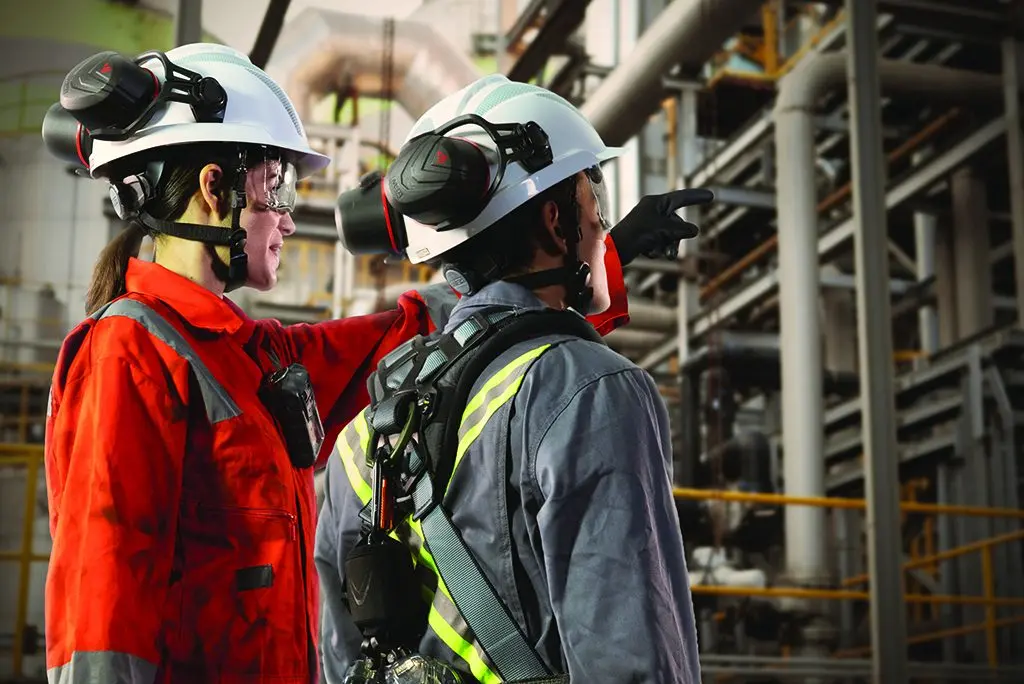
Providing and enforcing the use of appropriate PPE such as helmets, gloves, goggles, and safety shoes is crucial. PPE acts as the last line of defense against workplace hazards.
5. Emergency Preparedness
Every organization should have a clear emergency response plan. This includes fire drills, evacuation procedures, and first aid readiness. Quick and effective response can significantly reduce the impact of emergencies.
6. Environmental Responsibility
HSE also focuses on minimizing environmental impact. Proper waste management, pollution control, and sustainable practices contribute to a healthier environment and corporate responsibility.
7. Continuous Improvement
HSE is an ongoing process. Regular audits, feedback, and performance monitoring help organizations identify gaps and improve safety standards over time.
Conclusion
Implementing effective HSE practices is not just a legal obligation but a moral responsibility. A safe workplace protects employees, enhances productivity, and builds a positive organizational reputation.
Related articles
More insights from SkillTech.